Sneaker Care & Restoration
Techniques to clean, protect, and breathe new life into worn or aged pairs.
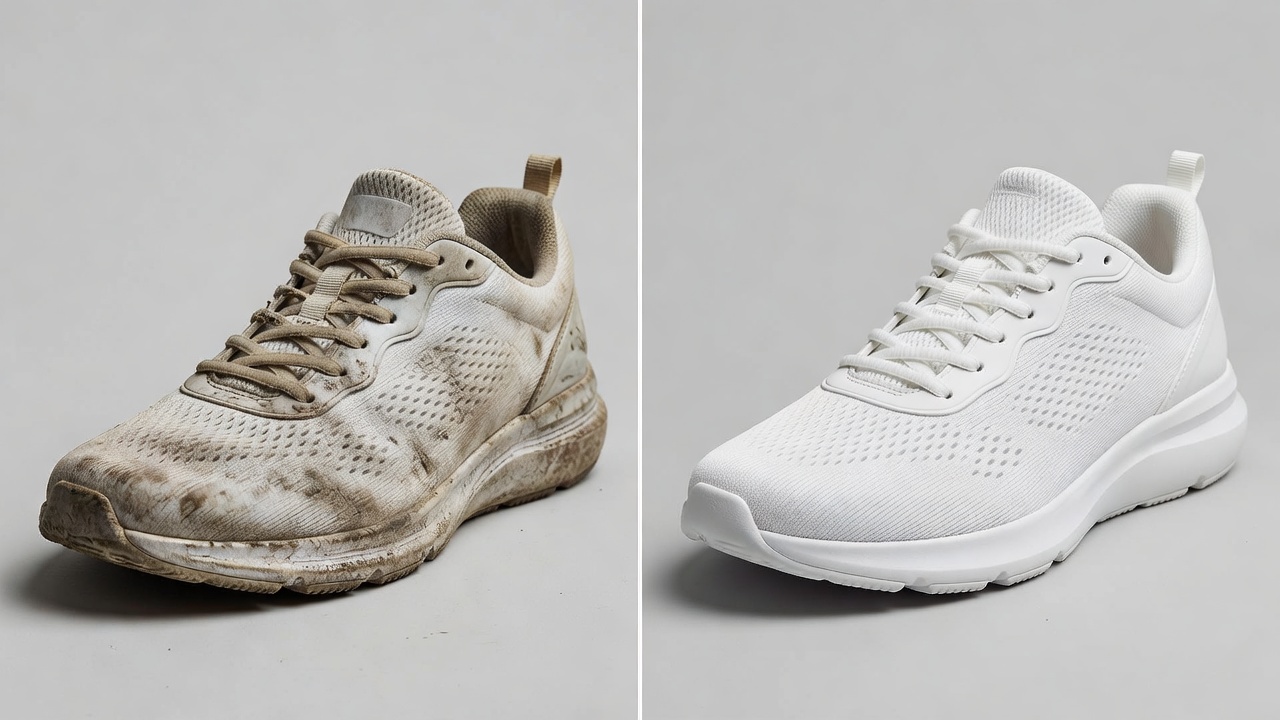
The Foundation of Maintenance
A true collector knows that acquiring a pair of sneakers is only the beginning of the journey. Whether you choose to keep your collection purely for display (deadstock) or wear them in a daily rotation, maintenance is critical. Dirt, oils, and environmental pollutants can permanently stain fabrics and degrade leathers if left untreated. Implementing a routine care schedule ensures that the materials retain their structural integrity and visual appeal over decades.
Material-Specific Cleaning
Sneakers are not monolithic; a single shoe can feature tumbled leather, delicate suede, nylon mesh, and rubber all at once. Treating all materials with a universal approach will likely result in damage.
Leather and Synthetics: These are the most forgiving materials. A soft-bristle brush, paired with a specialized sneaker cleaning solution (or a highly diluted, mild dish soap), works perfectly. Always use microfiber towels to wipe away the suds, as they trap dirt rather than pushing it around the surface.
Suede and Nubuck: Water is the enemy of raw suede. When wet, suede fibers clamp down, resulting in a stiff, ruined texture known as "nappiness loss." For these materials, dry cleaning is mandatory. Utilize a specialized suede eraser to gently rub out spots and scuffs, followed by a dry, stiff-bristled suede brush to reset the direction of the fibers.
Knit and Mesh: These fabrics act like sponges for dirt. They often require a deeper clean, occasionally necessitating the shoe to be placed in a delicate laundry bag and washed on a cold, gentle cycle. However, this should only be done if the shoe's construction (like glued soles) can withstand immersion.
De-Yellowing and Retro-Brighting
Over time, clear, icy soles and white rubber parts will oxidize, turning a murky yellow. For purists who wish to restore the original look, a process commonly known in the community as "retro-brighting" is used. This involves applying a high-volume hydrogen peroxide cream directly to the oxidized rubber. The treated area is then tightly wrapped in clear plastic wrap to prevent drying and exposed to direct UV light (either the sun or an indoor UV lamp). The UV rays catalyze a chemical reaction with the peroxide, effectively reversing the oxidation. This process requires patience, as multiple sessions are often needed to achieve a perfectly clear result.
Crease Prevention and Shape Retention
Walking naturally flexes the toe box of a shoe, leading to permanent creases in leather and synthetic uppers. While some collectors embrace creases as a natural patina of wear, others prefer to keep their shoes looking pristine.
Wearable crease protectors—rigid plastic or foam inserts placed inside the toe box during wear—can physically prevent the material from folding. When the shoes are not being worn, inserting high-quality, adjustable shoe trees is crucial. Wooden cedar shoe trees are highly recommended, as they not only maintain the structural shape of the shoe but also naturally absorb excess moisture and eliminate odors left behind after wear. By consistently utilizing these tools, a well-worn pair can maintain the silhouette of a brand-new release.