The History of Sneaker Culture
From rubber soles on the track to the epicenter of modern fashion.
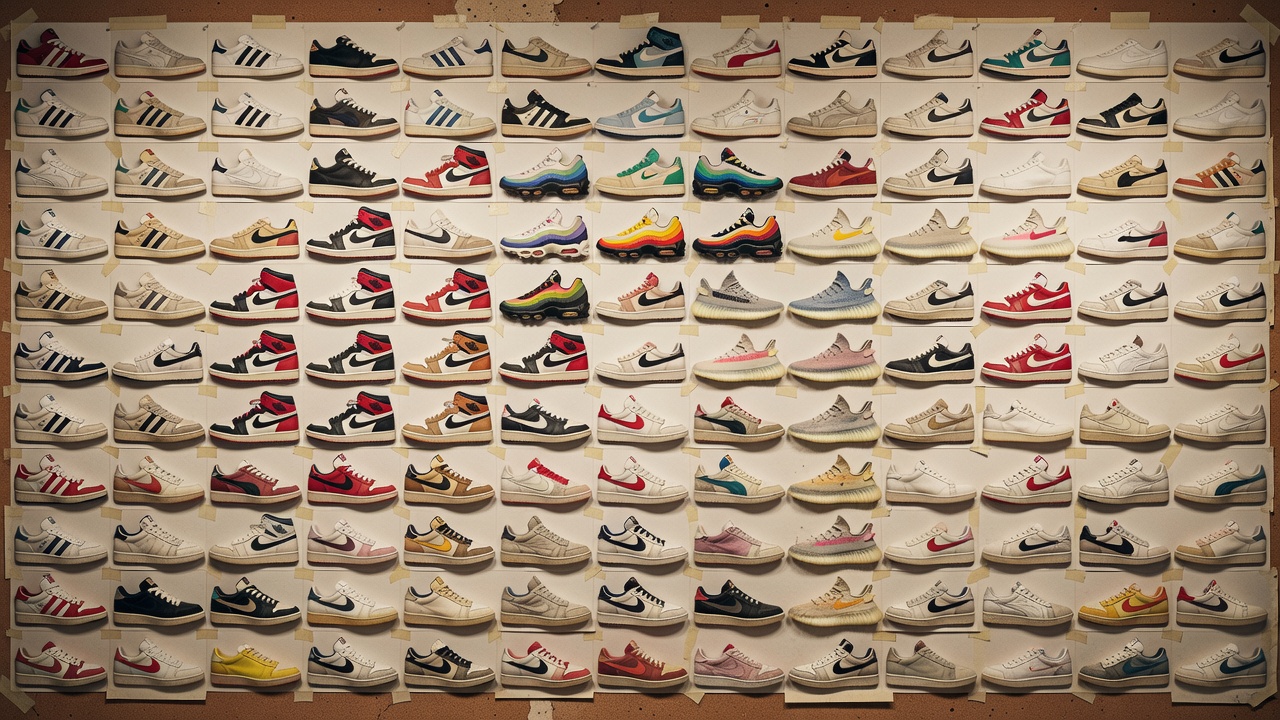
The Early Innings: Athletics and Utility
Long before sneakers were associated with hype, exclusivity, and fashion week, they were purely utilitarian objects. The term "sneaker" was coined in the late 19th century because the rubber soles allowed the wearer to sneak around silently, unlike traditional hard-soled leather shoes. The early 20th century saw the introduction of the first mass-market canvas and rubber shoes, aimed largely at tennis players and early basketball athletes. The focus was entirely on grip, ankle support, and affordability.
Brands recognized early on that associating their footwear with star athletes could drive sales. The earliest iterations of this strategy laid the groundwork for the massive endorsement deals that would come to define the industry decades later.
The 1980s: The Catalyst of Culture
Sneaker culture as we understand it today was largely born in the mid-1980s, catalyzed by two monumental cultural shifts: the rise of Michael Jordan and the explosion of hip-hop.
In 1984, Nike signed a rookie named Michael Jordan to a footwear endorsement deal, creating a signature line that would change the trajectory of sportswear forever. When the first signature shoe debuted in 1985, its bold black and red colorway famously defied the NBA's strict uniform regulations, which required shoes to be mostly white. The resulting controversy, heavily marketed by the brand, created an aura of rebellion. People didn't just want the shoe because it was technologically advanced; they wanted it because of what it represented.
Simultaneously, in New York, the hip-hop trio Run-DMC was pushing a different aesthetic. By wearing their Adidas Superstars without laces—mimicking prison style—and rapping about them on the track "My Adidas," they bridged the gap between music, street culture, and sportswear. This led to an unprecedented endorsement deal between a non-athletic entity and a major sportswear brand, proving that cultural influence was just as potent as athletic prowess.
The 1990s: The Golden Era of Design
The 1990s are widely regarded by collectors as the golden era of sneaker design. As technology advanced, so did the boldness of the silhouettes. Visible air cushions, futuristic lacing systems, and aggressive paneling became the norm.
During this decade, basketball shoes were bulky, commanding, and heavily branded. At the same time, the running shoe category was pushing boundaries with lightweight, heavily paneled designs that utilized synthetic suedes and reflective materials. The culture of collecting began to take root quietly, primarily in cities like New York, London, and Tokyo, where individuals would hunt down rare colorways that weren't available in their local markets.
The 2000s: Collaborations and the Hype Machine
The turn of the millennium marked the beginning of the boutique collaboration era. Brands started partnering directly with niche streetwear stores and artists to produce extremely limited runs of classic silhouettes. This strategy artificially restricted supply, creating fervent demand.
The introduction of the skateboarding division within major brands in the early 2000s was a masterstroke in limited-release marketing. By strictly controlling distribution to core skate shops and producing wild, story-driven designs, brands cultivated a new generation of obsessive collectors. People camped outside stores for days, and the secondary market—where shoes were resold for multiples of their retail price—began to formalize.
Modern Era: High Fashion Meets the Street
Today, the lines between luxury fashion and sneaker culture are entirely blurred. High-end Parisian fashion houses collaborate regularly with traditional sportswear giants. Sneakers have appeared on the runway, in museums, and at auction houses alongside fine art.
The transition from a subculture of in-the-know enthusiasts to a multi-billion-dollar global industry has brought both unprecedented innovation and profound challenges. While materials and storytelling have reached new heights, the accessibility of beloved silhouettes has diminished, replaced by a complex ecosystem of raffles, apps, and secondary marketplaces. However, the core of the culture—the passion for design, history, and community—remains intact for those willing to look past the hype.